© Rauman Satama Oy
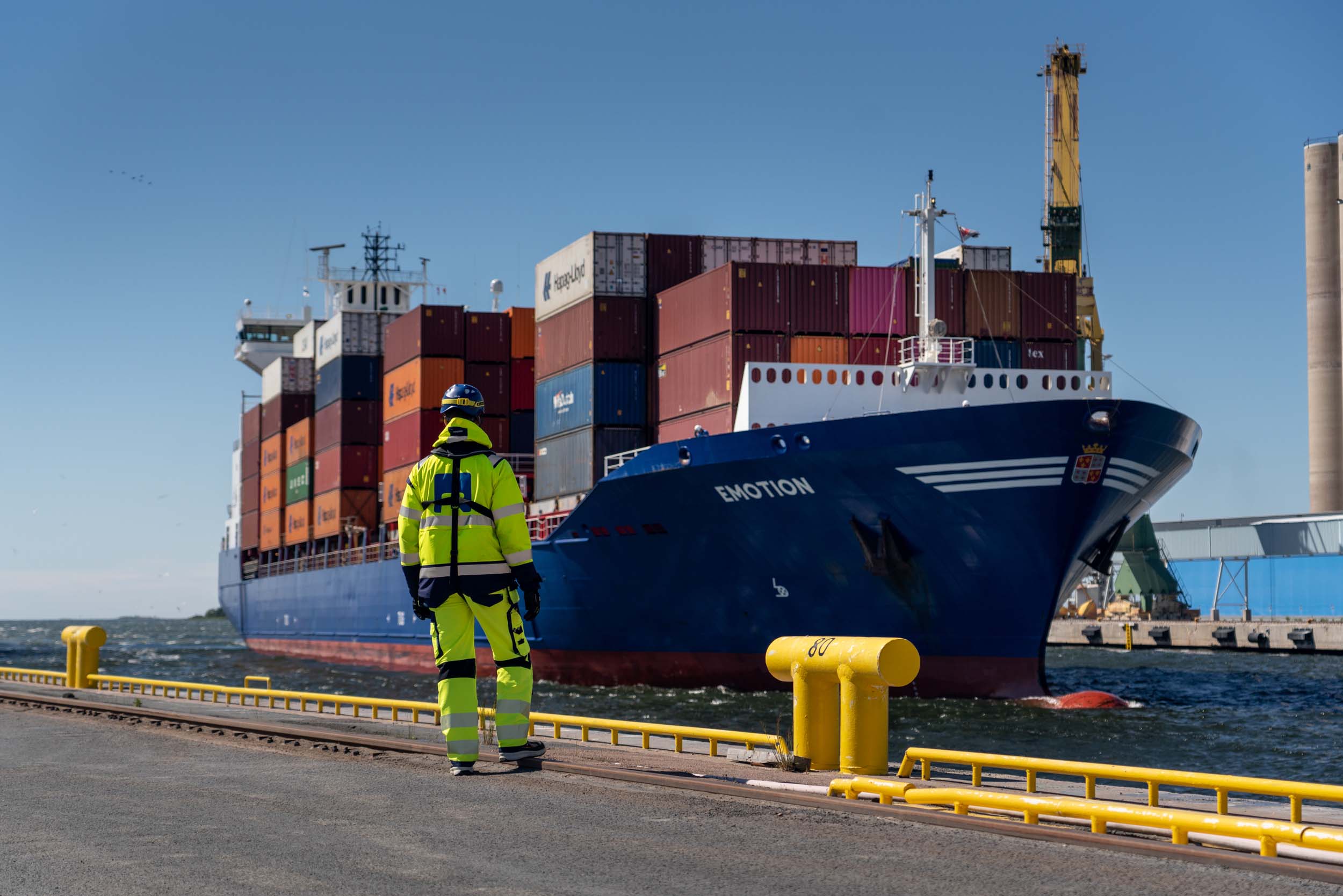
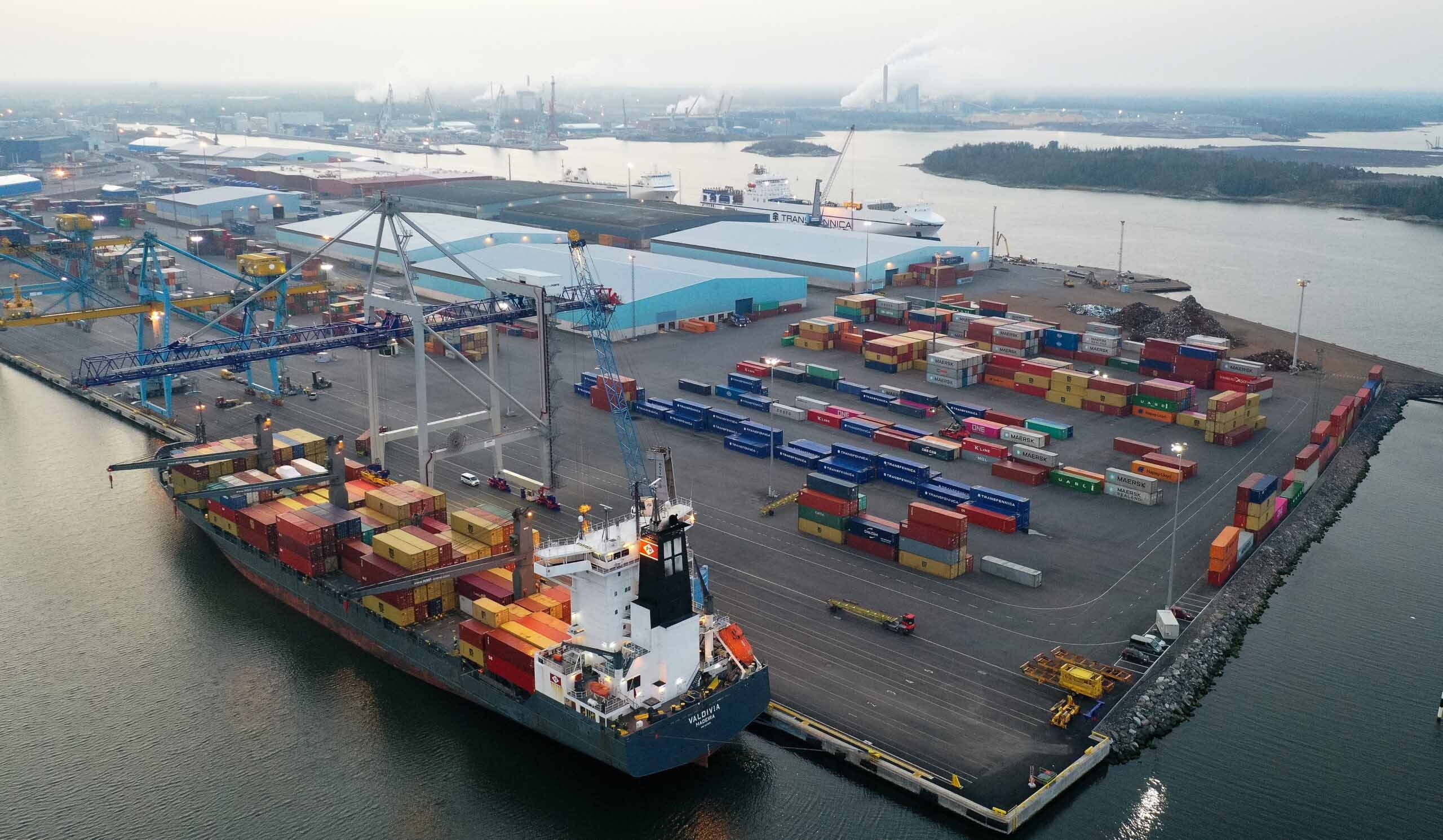
The Port of Rauma is one of Finland’s significant ports and part of infrastructure that is critical for security of supply. A large number of different organizations operate within the port area: operators, shipping companies, maintenance providers, service providers, and industrial companies. In a multi-operator environment, communication during disruptions and exceptional situations must be fast, targeted, and reliable. Communication must reach both the operators in the area and the working machines used in the field.
The Port of Rauma introduced Secapp in 2023 to improve communication especially in exceptional and disruption situations, as well as to support the formation of a shared situational picture. Secapp has already been used at the port in several exceptional situations, such as fires, environmental incidents, and an evacuation situation in 2025 involving a wartime aerial bomb.
“The need was specifically to improve communication in exceptional and disruption situations. We wanted a platform that enables information to flow quickly and securely to all necessary parties,” says Juhani Laiho, who is in charge of operations at Port of Rauma Ltd.
In addition to disruption communication, Secapp is also used in the port area for everyday operational communication, such as providing information about traffic arrangements, roadworks, and other changes affecting operations. Secapp is also used to support lone-worker safety. The solution is used by port supervisors, who often work alone across the extensive port area.
“Secapp is the most effective way to reach operators and contact persons in the port area. At the same time, it also serves as a secure channel for communication within the emergency management team, for example,” Laiho explains.
From Text Messages and Phone Calls to a Shared System
Before Secapp, critical communication was largely based on text messages and phone calls. This made situation management slower and made it more difficult to confirm that messages had been received.
“Communication relied heavily on text messages and phone calls. It was slower and more cumbersome, and we did not have certainty about who had received the message,” Laiho describes.
The operating environment of the port area creates specific communication challenges. Several different organizations operate in the same area, and they need to receive information about situations quickly and reliably.
“A diverse group of different operators work here: operators, shipping companies, maintenance providers, service providers, and industrial companies. In this kind of environment, it is important to have consistent operating practices for communication and information exchange during disruption situations.”
According to Laiho, fast and targeted communication also supports operational continuity during disruptions.
“When information flows efficiently, different operators can quickly communicate what has been done and how the situation is progressing. This also improves recovery from disruption situations and helps normalize operations as quickly as possible.”
Smooth Implementation as Part of Cooperation in the Port Area
According to Laiho, the implementation of Secapp was smooth overall. The implementation was advanced through the port area’s existing cooperation groups, one of the key groups being the safety group focused on occupational safety.
“The implementation went really well. We have various cooperation groups in the area, and Secapp implementation training was arranged in connection with a meeting of the occupational safety group.”
The implementation was supported in a practical way through training sessions, exercises, and test messages. Secapp’s trainer was responsible for leading the implementation training, and the Port of Rauma also helped users adopt the system.
“Overall, the implementation was very smooth. It was not a major effort, but rather a project that could be carried out very quickly,” Laiho describes.
The port company manages Secapp centrally, and each company operating in the port area has its own emergency contact persons. Alerts are issued from the port’s main gate, from where messages can be targeted, depending on the situation, only to the operators affected by the event.
Secapp is also used in cooperation with nearby industrial areas and the City of Rauma, which supports the formation of a shared situational picture between different organizations.
Alerts Also Reach Machinery
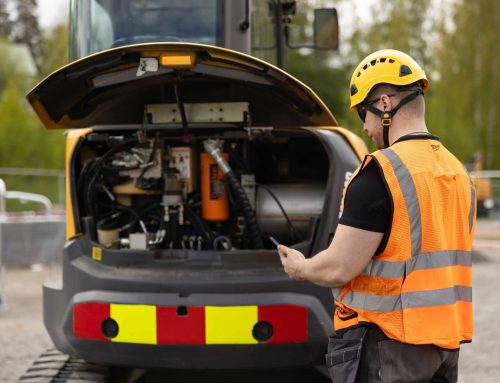
A lot of heavy equipment operates in the port area, such as container stackers and other working machines, whose drivers may not always be reachable through traditional communication methods. For this reason, the use of Secapp has also been extended to working machines in the port area. In the pilot, Secapp was connected to the computers of the working machines at the container depot, allowing messages to be delivered directly to the machine operators. A container depot is an area where sea containers are stored, handled, and moved within the port area.
“The working machines have computers that are used for the work, and Secapp has been connected to them. This allows us to send messages directly to the machines, which significantly speeds up the flow of information,” Laiho says.
The solution was tested in practice in a situation where a wartime aerial bomb was found in the port area in October 2025.
“Information about the aerial bomb was delivered directly to the working machines, and the drivers were able to acknowledge that they had received the message. It is otherwise difficult to get information quickly to working machines, so this has been a highly effective solution.”
The goal is to develop the solution further so that communication reaches those working in the field as comprehensively as possible.
© Rauman Satama Oy
© Rauman Satama Oy
Rapid Response in Exceptional Situations
Secapp has played a key role in several exceptional and disruption situations in the port area. In addition to the discovery of the aerial bomb, such situations have included fires and environmental incidents.
“In these situations, we have been able to send messages extremely quickly with the help of Secapp and communicate what has happened and how operators should act next,” Laiho says.
In evacuation situations, Secapp also makes it possible to verify the situation.
“In the aerial bomb situation, we received operator-specific acknowledgements confirming that personnel had been evacuated. This allowed us to verify the situation quickly.”
Fast and targeted communication also helps restore port operations to normal as quickly as possible after a disruption.
“One important goal is to normalize traffic and operations as quickly as possible. Secapp has been an excellent help in that.”
Situational Picture and Documentation Support Management
One of the most significant benefits of Secapp has been the formation of a shared situational picture and the real-time nature of communication.
“Communication is significantly more effective, and forming a situational picture is easier than before,” Laiho describes.
Secapp also helps the Port of Rauma with post-incident review and learning.
“Secapp creates a timeline of what has happened and when. We can see what has been communicated, what responses have been received, and how long the different phases have taken. This makes debriefing and planning the necessary exercises easier.”
Secapp Supports Infrastructure Critical to Supply Security
For the Port of Rauma, the value of Secapp is particularly reflected in the management of disruption and exceptional situations, as well as in secure communication.
“Secapp improves our preparedness and helps us manage exceptional situations more effectively. In addition, cybersecurity is an important topic for us because we are infrastructure that is critical for security of supply and we cooperate extensively with the authorities,” Laiho explains.
The use of Secapp in the port area is continuously developed based on practical experience. According to Laiho, Secapp could also be introduced in the future for purposes such as calling personnel to work during disruption situations:
“I could see us using Secapp to make call-outs to work more efficient. We could reach employees quickly and, based on their responses, form a picture of what personnel resources we have available. The time freed from making rounds of phone calls could be used directly for managing the situation.”
At the Port of Rauma, Secapp has become an established part of both everyday communication and the management of critical situations.
“Secapp has been in genuine use with us from the beginning. The benefits were recognized quickly, and through our experiences, we have continued to develop its use,” Laiho praises.
Secapp’s Benefits in Brief
© Rauman Satama Oy
The Port of Rauma is one of Finland’s significant ports and part of infrastructure that is critical for security of supply. A large number of different organizations operate within the port area: operators, shipping companies, maintenance providers, service providers, and industrial companies. In a multi-operator environment, communication during disruptions and exceptional situations must be fast, targeted, and reliable. Communication must reach both the operators in the area and the working machines used in the field.
The Port of Rauma introduced Secapp in 2023 to improve communication especially in exceptional and disruption situations, as well as to support the formation of a shared situational picture. Secapp has already been used at the port in several exceptional situations, such as fires, environmental incidents, and an evacuation situation in 2025 involving a wartime aerial bomb.
“The need was specifically to improve communication in exceptional and disruption situations. We wanted a platform that enables information to flow quickly and securely to all necessary parties,” says Juhani Laiho, who is in charge of operations at Port of Rauma Ltd.
In addition to disruption communication, Secapp is also used in the port area for everyday operational communication, such as providing information about traffic arrangements, roadworks, and other changes affecting operations. Secapp is also used to support lone-worker safety. The solution is used by port supervisors, who often work alone across the extensive port area.
“Secapp is the most effective way to reach operators and contact persons in the port area. At the same time, it also serves as a secure channel for communication within the emergency management team, for example,” Laiho explains.
From Text Messages and Phone Calls to a Shared System
Before Secapp, critical communication was largely based on text messages and phone calls. This made situation management slower and made it more difficult to confirm that messages had been received.
“Communication relied heavily on text messages and phone calls. It was slower and more cumbersome, and we did not have certainty about who had received the message,” Laiho describes.
The operating environment of the port area creates specific communication challenges. Several different organizations operate in the same area, and they need to receive information about situations quickly and reliably.
“A diverse group of different operators work here: operators, shipping companies, maintenance providers, service providers, and industrial companies. In this kind of environment, it is important to have consistent operating practices for communication and information exchange during disruption situations.”
According to Laiho, fast and targeted communication also supports operational continuity during disruptions.
“When information flows efficiently, different operators can quickly communicate what has been done and how the situation is progressing. This also improves recovery from disruption situations and helps normalize operations as quickly as possible.”
Smooth Implementation as Part of Cooperation in the Port Area
According to Laiho, the implementation of Secapp was smooth overall. The implementation was advanced through the port area’s existing cooperation groups, one of the key groups being the safety group focused on occupational safety.
“The implementation went really well. We have various cooperation groups in the area, and Secapp implementation training was arranged in connection with a meeting of the occupational safety group.”
The implementation was supported in a practical way through training sessions, exercises, and test messages. Secapp’s trainer was responsible for leading the implementation training, and the Port of Rauma also helped users adopt the system.
“Overall, the implementation was very smooth. It was not a major effort, but rather a project that could be carried out very quickly,” Laiho describes.
The port company manages Secapp centrally, and each company operating in the port area has its own emergency contact persons. Alerts are issued from the port’s main gate, from where messages can be targeted, depending on the situation, only to the operators affected by the event.
Secapp is also used in cooperation with nearby industrial areas and the City of Rauma, which supports the formation of a shared situational picture between different organizations.
Alerts Also Reach Machinery
A lot of heavy equipment operates in the port area, such as container stackers and other working machines, whose drivers may not always be reachable through traditional communication methods. For this reason, the use of Secapp has also been extended to working machines in the port area. In the pilot, Secapp was connected to the computers of the working machines at the container depot, allowing messages to be delivered directly to the machine operators. A container depot is an area where sea containers are stored, handled, and moved within the port area.
“The working machines have computers that are used for the work, and Secapp has been connected to them. This allows us to send messages directly to the machines, which significantly speeds up the flow of information,” Laiho says.
The solution was tested in practice in a situation where a wartime aerial bomb was found in the port area in October 2025.
“Information about the aerial bomb was delivered directly to the working machines, and the drivers were able to acknowledge that they had received the message. It is otherwise difficult to get information quickly to working machines, so this has been a highly effective solution.”
The goal is to develop the solution further so that communication reaches those working in the field as comprehensively as possible.
© Rauman Satama Oy
© Rauman Satama Oy
Rapid Response in Exceptional Situations
Secapp has played a key role in several exceptional and disruption situations in the port area. In addition to the discovery of the aerial bomb, such situations have included fires and environmental incidents.
“In these situations, we have been able to send messages extremely quickly with the help of Secapp and communicate what has happened and how operators should act next,” Laiho says.
In evacuation situations, Secapp also makes it possible to verify the situation.
“In the aerial bomb situation, we received operator-specific acknowledgements confirming that personnel had been evacuated. This allowed us to verify the situation quickly.”
Fast and targeted communication also helps restore port operations to normal as quickly as possible after a disruption.
“One important goal is to normalize traffic and operations as quickly as possible. Secapp has been an excellent help in that.”
Situational Picture and Documentation Support Management
One of the most significant benefits of Secapp has been the formation of a shared situational picture and the real-time nature of communication.
“Communication is significantly more effective, and forming a situational picture is easier than before,” Laiho describes.
Secapp also helps the Port of Rauma with post-incident review and learning.
“Secapp creates a timeline of what has happened and when. We can see what has been communicated, what responses have been received, and how long the different phases have taken. This makes debriefing and planning the necessary exercises easier.”
Secapp Supports Infrastructure Critical to Supply Security
For the Port of Rauma, the value of Secapp is particularly reflected in the management of disruption and exceptional situations, as well as in secure communication.
“Secapp improves our preparedness and helps us manage exceptional situations more effectively. In addition, cybersecurity is an important topic for us because we are infrastructure that is critical for security of supply and we cooperate extensively with the authorities,” Laiho explains.
The use of Secapp in the port area is continuously developed based on practical experience. According to Laiho, Secapp could also be introduced in the future for purposes such as calling personnel to work during disruption situations:
“I could see us using Secapp to make call-outs to work more efficient. We could reach employees quickly and, based on their responses, form a picture of what personnel resources we have available. The time freed from making rounds of phone calls could be used directly for managing the situation.”
At the Port of Rauma, Secapp has become an established part of both everyday communication and the management of critical situations.
“Secapp has been in genuine use with us from the beginning. The benefits were recognized quickly, and through our experiences, we have continued to develop its use,” Laiho praises.